
Introduction
Something unusual has been circulating online.
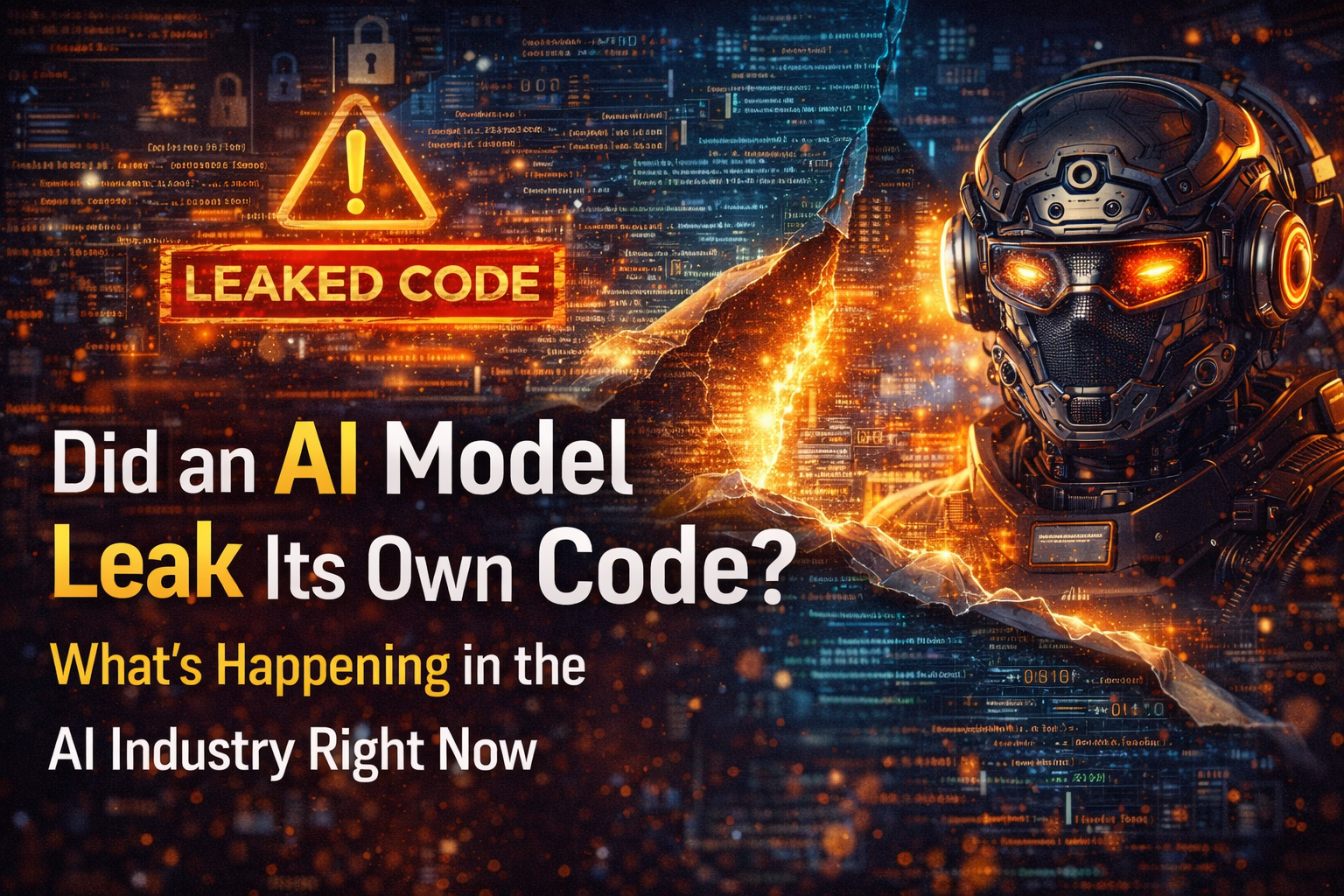
A claim that an AI model may have revealed or “leaked” parts of its own internal logic.
At first, it sounds like science fiction.
But as discussions grow across tech communities, one question is getting more attention:
👉 Can AI systems expose more than they’re supposed to?
Let’s break down what’s actually happening — without hype, without fear, just facts.
What Does “AI Code Leak” Even Mean?
Before jumping to conclusions, it’s important to understand something:
AI models like Claude AI or ChatGPT do NOT have direct access to their full source code during conversations.
So when people say “code leak,” they usually mean:
- AI generating responses that resemble internal logic
- Revealing patterns about how it works
- Producing outputs that look like hidden instructions
👉 This is very different from an actual security breach.
Why This Topic Is Trending
Recently, users began sharing examples where AI responses seemed:
- Too detailed about internal processes
- Structured like system-level instructions
- Unusually technical
This led to speculation:
👉 “Did the AI accidentally reveal its own system?”
The Reality Behind the Claims
Here’s the truth:
AI models are trained on massive amounts of data.
They can:
- Reconstruct patterns
- Mimic technical language
- Generate code-like outputs
But this doesn’t mean they are leaking real internal systems.
👉 It means they are predicting what such systems might look like.
Can AI Actually Leak Sensitive Information?
In general:
❌ AI cannot access private databases
❌ AI cannot reveal hidden system files
❌ AI cannot “decide” to leak information
However, there are real concerns:
- Training data exposure risks
- Prompt manipulation (prompt injection)
- Misuse by users
The Bigger Concern: AI Security
Even if this specific “leak” is misunderstood, it highlights something important:
👉 AI security is becoming a major issue.
Experts are focusing on:
- Preventing data leaks
- Limiting sensitive outputs
- Improving AI safety systems
Why Companies Are Taking This Seriously
Leading AI companies are investing heavily in:
- Safety filters
- Output restrictions
- Ethical AI development
Because even small issues can create:
- Public panic
- Misinformation
- Trust problems
What This Means for Users
If you use AI tools daily, here’s what you should understand:
- AI is powerful — but not all-knowing
- It generates responses based on patterns
- It can sometimes sound more “real” than it actually is
👉 Always verify important information
The Future of AI Transparency
This situation raises an interesting question:
👉 Should AI systems be more transparent about how they work?
In the future, we may see:
- More explainable AI
- Clearer system boundaries
- Better user understanding
Final Thoughts
The idea of an AI leaking its own code sounds dramatic.
But the reality is more grounded.
This isn’t about AI becoming uncontrollable.
It’s about:
- Understanding limitations
- Improving security
- Using AI responsibly
In a world where AI is growing fast, clarity matters more than hype.

One thought on “Did an AI Model Leak Its Own Code? What’s Really Happening in the AI Industry Right Now”